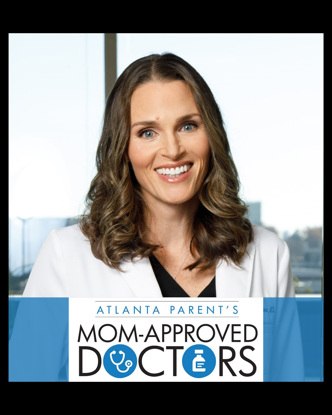
Endometriosis and Infertility — Is a Surgical Diagnosis recommended?
- Category: Education, Fertility Preservation, Fertility Tips + Tricks
- Written By: Bonnie Patel, MD
.png)
Why Does Endometriosis Cause Infertility?
There are several ways in which endometriosis can impact fertility:
- Inflammation & Scarring – Chronic inflammation in the reproductive organs can interfere with egg quantity, quality, sperm movement, and embryo implantation.
- Blocked Fallopian Tubes – Endometrial tissue can create blockages, preventing sperm from meeting the egg. Unfortunately, even if tubes remain open, endometriosis can affect the architecture of tubes, preventing proper function
- Ovarian Cysts (Endometriomas) – These cysts can reduce ovarian reserve (egg quantity), making conception more difficult.
- Hormonal Imbalances – Endometriosis can disrupt ovulation and implantation, impacting natural conception.
Diagnosis
Symptoms can oftentimes indicate possible endometriosis. Sometimes, endometriosis can grow inside the ovary and form a cyst called an endometrioma. These cysts usually can be seen on ultrasound, unlike most other implants of endometriosis. The definitive way to tell for certain if you have endometriosis is through a surgical procedure called laparoscopy.
If I think I have endometriosis, do I need surgery to be able to get pregnant?
Laparoscopy may provide useful information to help you and your doctor determine the best options to help you conceive and if you need to undergo fertility therapy. However, there is a limit as to how much surgery can improve pregnancy rates. Most patients will not have fertility benefits from surgical diagnosis and intervention. Predominant pain symptoms, however, may be improved through surgical intervention. Your treatment will be individualized and should consider all available methods to help you become pregnant.
How is endometriosis-related infertility treated?
- Ovarian Suppression: Medical treatment with hormones that suppress the ovaries has not been found to improve fertility in women with endometriosis. Hormonal medications, such as oral contraceptive pills, may relieve discomfort.
- Ovarian Stimulation: The ovaries can be stimulated with a pill called clomiphene citrate, or injections of the hormone FSH to increase hormone levels. These drugs cause release of multiple eggs during each cycle, but also increase the risk of multiple pregnancies. Often, these drugs are used along with a procedure called intrauterine insemination (IUI), in which the partner’s sperm is washed and placed directly into the uterus. This increases the number of sperm coming into contact with the egg(s), and increases the chance for pregnancy.
- IVF: In vitro fertilization (IVF) is the most effective treatment for infertility associated with endometriosis. For IVF, the ovaries are stimulated with injectable hormones and the growth of the eggs is carefully monitored with ultrasound and blood hormone levels. When the eggs are mature, they are removed using a transvaginal procedure. The eggs are fertilized with sperm in the laboratory. Usually, one or two embryos that develop are transferred directly into the uterus.
Pregnancy rates for IVF are similar for women of similar ages both with and without endometriosis.
- Surgery: Surgical intervention can be considered for patients who have pain-dominant symptoms. There are some limitations of surgery, which your provider with discuss with you.
The good news?
- Many women with endometriosis go on to have successful pregnancies, especially with the right fertility treatment and medical support. At ACRM and CCRM Fertility, we use advanced diagnostic testing to evaluate whether endometriosis is affecting your fertility and create a treatment plan that best suits your needs. Our success rates are amongst the best in the nation, and our comprehensive approach to patient care directly influences these outcomes.
To schedule an appointment, please email scheduling@acrm.com.